Back to Blog
The Best Time to Visit Austin, TX


Austin, Texas, isn’t a city with one “right” time to visit. It changes pretty noticeably across the year, and the experience you get in March isn’t the same one you’ll have in August or November.
Most people ask about the best time to visit Austin, expecting a simple answer. The honest one is: it depends on what you care about. Weather matters, but so do crowds, events, and how much time you actually want to spend outside.
If you get the timing right, Austin feels easy – walkable, social, and worth lingering in. Get it wrong, and you’ll spend half your trip working around heat, traffic, or packed reservations.
This guide breaks it down in a practical way – what each part of the year actually feels like, what tends to catch people off guard, and when the city is easiest to enjoy.
Explore luxury vacation rentals in Austin with Wander →
Quick answer: When should you go?
Best overall: late March through early May
Best balance of weather and fewer crowds: late October through mid-November
Best for major events: March and October
Best for lower prices: January, February, and late summer
If you want a simple pick, late October usually lands in the right place. You can stay outside most of the day, reservations are easier to get, and the city still feels active.
Expert insight from Wander
“I see the same issues come up again and again with Austin trips. The biggest one is timing around South by Southwest (SXSW). People don’t always realize they’ve booked during it, and suddenly everything is more expensive and harder to plan. If you’re not going for the festival, it’s usually better to avoid that window entirely.
Summer is the other one. It’s not that you can’t enjoy Austin then, you just have to structure the day differently. The trips that work are the ones where people head out early, take a proper break in the afternoon, then go back out in the evening.
And then there’s location. Austin looks smaller on a map than it feels when you’re in it. Staying somewhere that’s either close to where you’ll spend time, or somewhere you’re genuinely happy to come back to, makes a big difference.
Fall is the easiest season, but people sometimes overplan it. You don’t need to pack the schedule. The best days tend to come from leaving space and letting things unfold a bit.”
— Matt Kowalewski, Chief of Staff at Wander
A month-by-month breakdown
| Month | Weather feel | Crowds | What stands out | Worth it? |
|---|---|---|---|---|
| January | Cool, sometimes mild | Low | Easy reservations, quieter city | Good for value |
| February | Similar to January | Low | Fewer events, more local feel | Good for slower trips |
| March | Warm, unpredictable | Very high | SXSW, peak energy | Only if planned ahead |
| April | Warm, comfortable | Medium | Wildflowers, patios, outdoor time | One of the best |
| May | Warmer, still manageable | Medium | Pre-summer feel, longer days | Strong choice |
| June | Hot | Medium | Early summer before peak heat settles | Manageable |
| July | Very hot | Lower | Fewer tourists, pool-focused days | Only if planned well |
| August | Very hot | Low | Quiet city, better availability | Value pick |
| September | Still hot, easing slightly | Medium | Shoulder season, fewer events | Mixed |
| October | Warm, comfortable | High (events) | ACL, F1, best overall balance | Excellent (outside events) |
| November | Mild, comfortable | Medium | Easier pace, good outdoor time | One of the best |
| December | Mild to cool | Medium | Holiday events, quieter mid-month | Good balance |
Spring (March to May)
Spring is when Austin feels most open. You can walk neighborhoods, sit outside for hours, and move through the city without planning around the heat.
March can be a lot. South by Southwest (SXSW) draws large crowds, and the city fills up quickly. Traffic builds, restaurants book out, and even simple plans take more effort.
April and early May are easier. The weather holds, but the pressure drops. You can take your time and still do everything you came for.
What works well in spring
Walking South Congress in the morning before it fills in
Spending time around Lady Bird Lake without rushing
Long outdoor dinners that turn into the evening
What to watch for
SXSW changes how the city functions for about ten days
Weekend reservations go earlier than expected
Afternoon storms can interrupt plans without much warning
Where to stay with Wander in spring
Location matters more in spring because you will spend more time moving around the city.
Wander Austin Rooftop puts you close to downtown and gives you a quiet place to come back to. The rooftop and balcony get real use this time of year.
Wander Austin Leaf works better if you want more space. It feels more private, with a pool and room to step away from busier areas when needed.
If you're traveling to Austin with a group for SXSW or another exciting event, it’s worth staying somewhere that can actually handle the pace. Wander’s large group homes give you space to come back to - private parking, outdoor areas for gathering, and amenities like pools and hot tubs that make downtime feel just as easy as going out.
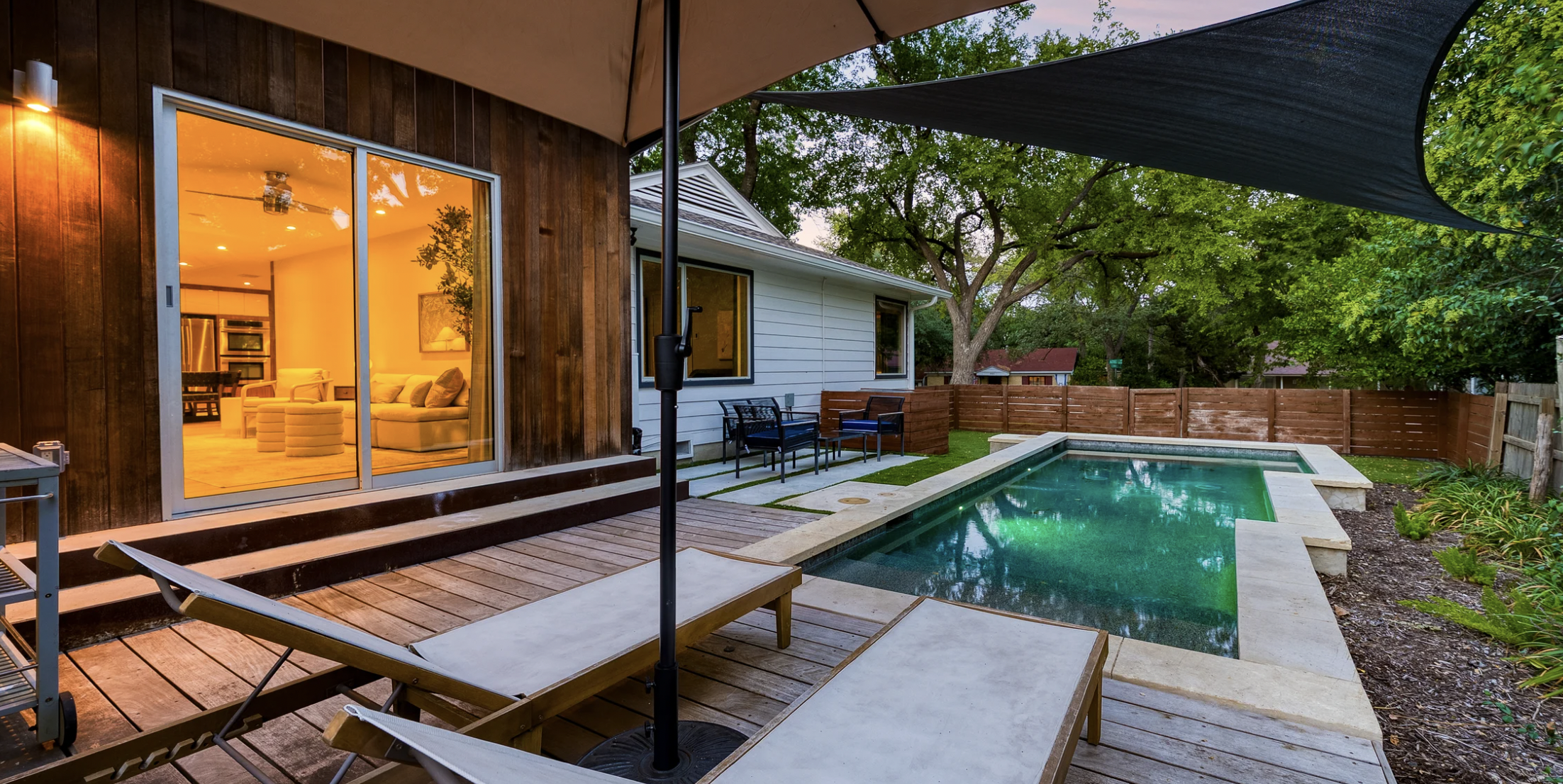
Summer (June to September)
Summer changes the rhythm of the trip. You start earlier, slow down in the middle of the day, and pick things back up in the evening.
You can still enjoy Austin, but you need to plan around the temperature instead of pushing through it.
What works well in summer
Barton Springs in the middle of the day when the water feels coldest
Early walks before the heat builds
Late dinners and evenings that stretch longer
What to watch for
Midday plans fall apart without somewhere to cool off
Walking between neighborhoods is harder than it looks on a map
Outdoor reservations matter less because many people avoid them
Where to stay with Wander in summer
Where you stay makes a bigger difference in summer than any other season.
Wander Austin Trails gives you a place to settle in during the middle of the day. The movie room, hot tub, and layout make it easy to pause without losing the flow of the trip.
Wander Austin Boardwalk keeps you central, with access to a rooftop pool and shared amenities. That helps when you want to stay close to downtown but still have a way to cool off.
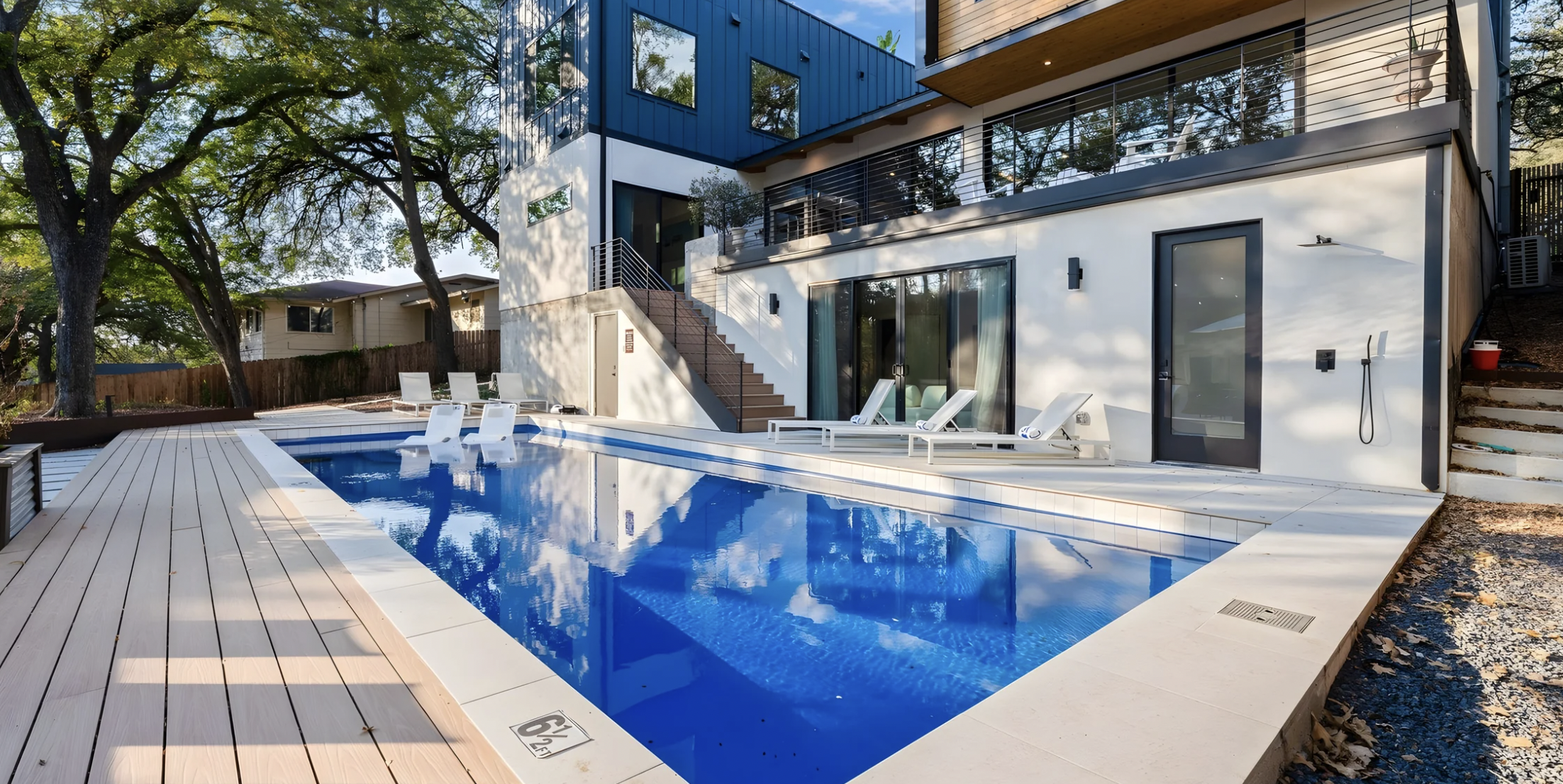
Fall (October to November)
Fall is the easiest time to be in Austin. You can stay outside longer, move through the city comfortably, and plan full days without needing to step away from the heat.
October can get busy because of ACL and Formula 1, but outside those dates the city settles into a steady pace.
What works well in fall
Spending full days outside without breaking them up
Eating on patios without checking the temperature
Mixing time in the city with slower time at your home base
What to watch for
Event weekends bring higher prices and heavier traffic
Early October can still feel warm depending on the year
Where to stay with Wander in fall
Fall gives you more flexibility between staying central and staying slightly outside the city.
Wander Austin Live Oak puts you near East Austin’s restaurants and nightlife, with outdoor space that feels comfortable to use.
Wander Steiner Ranch Retreat gives you more room and a quieter setting, with views and outdoor space that become part of the stay.
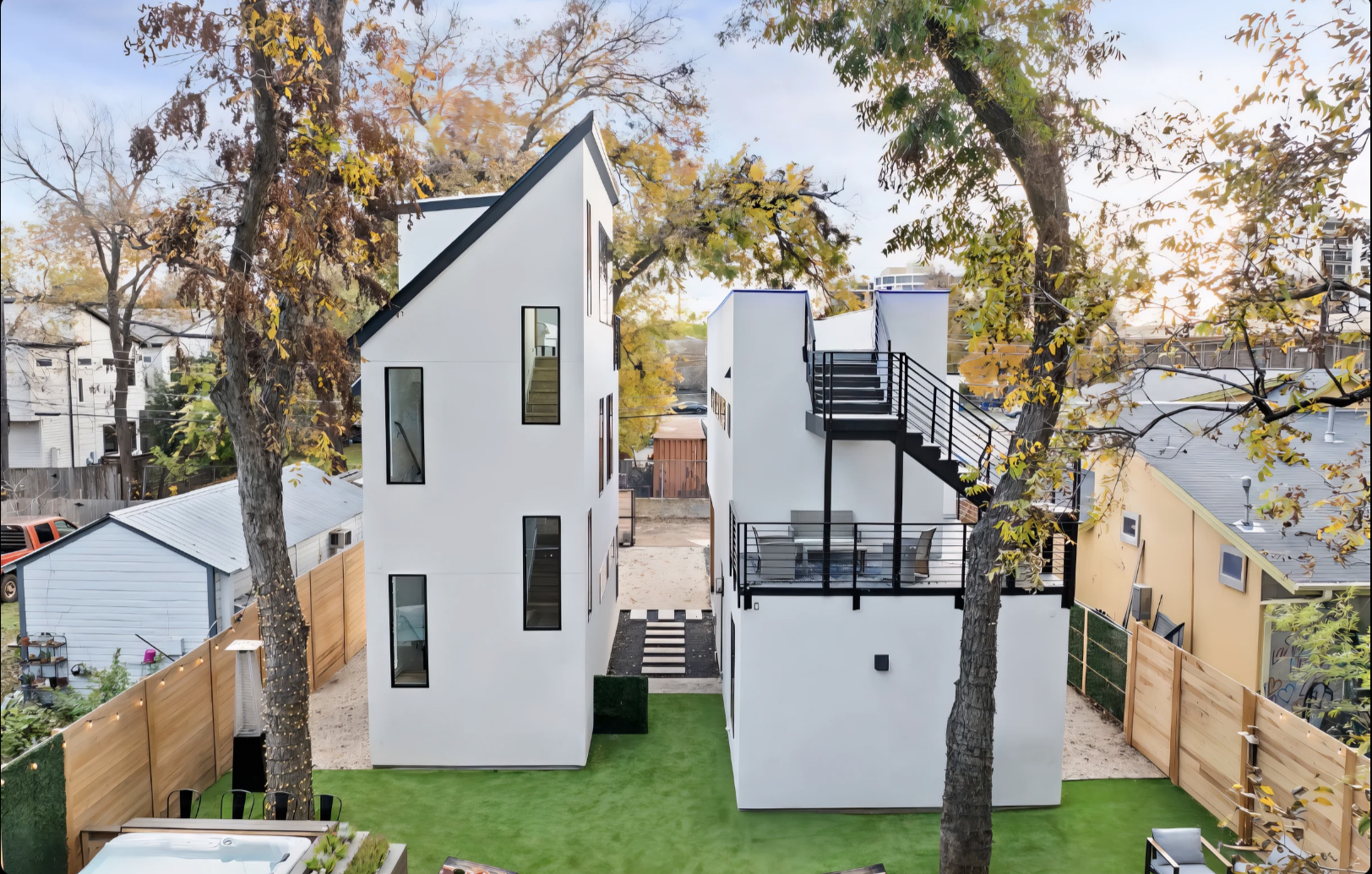
Winter (December to February)
Winter is quieter and easier to manage. You can get into restaurants, move around the city without much friction, and take things at a slower pace.
The weather varies. Some days feel mild, others are colder than expected. It helps to stay flexible.
What works well in winter
Trying restaurants without long waits
Walking neighborhoods without crowds
Spending more time at your home base
What to watch for
Temperature swings from day to day
Fewer large events compared to spring and fall
Where to stay with Wander in winter
Wander Hudson Bend Shores works well in winter if you want more space and a slower setting. The lake access, outdoor areas, and layout make it easy to stay in without feeling confined.
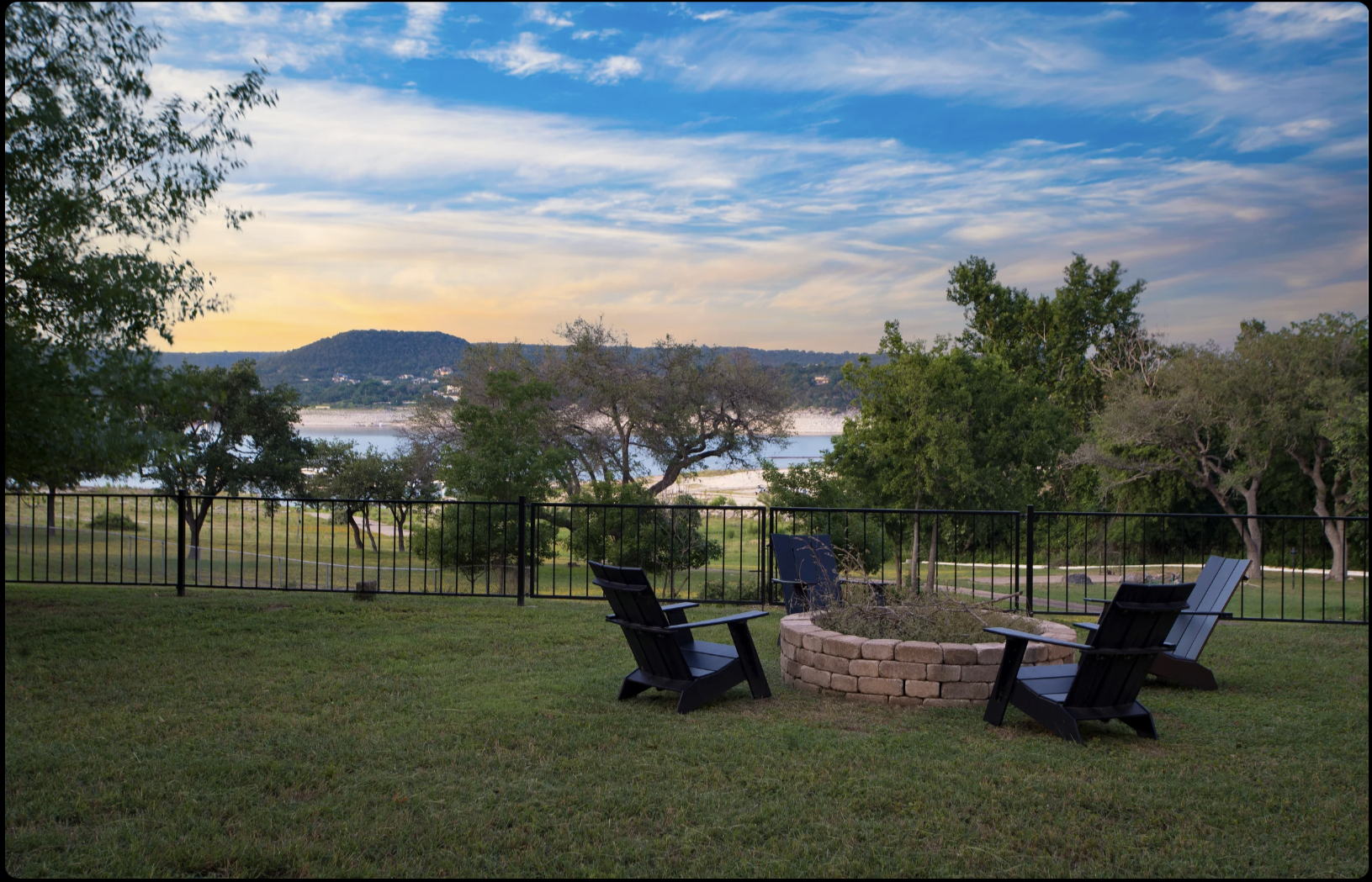
So, when is the best time to visit Austin?
Spring and fall are the easiest answers. Spring has more energy, while fall is more consistent and less crowded. If you want fewer people and lower prices, winter is a better fit.
Summer can still work, but it depends on how you plan your days and where you stay.
Best time to visit Austin based on your trip style
If you’re still unsure, this tends to be the clearest way to decide:
First-time visit: April or late October
Food and restaurants: February, early May, or November
Live music and events: March or October (plan ahead)
Relaxed trip with space: November or winter months
Lower prices: January, February, or August
Pool and stay-focused trip: June through September
Where to stay in Austin with Wander
A good Austin trip depends on how easily you can move between being out in the city and stepping somewhere comfortable.
Wander homes across Austin give you that flexibility. You can stay central with skyline views, choose a quieter residential setting, or book a place with outdoor space that actually gets used.
That balance makes the trip feel smoother, especially in seasons where timing matters.
Explore luxury vacation rentals in Austin with Wander →
Share it with your friends: